



































Put the Loader Identification Beside the Requested Part
Build a parts enquiry around machine identification, catalogue references and the actual supplied assembly, with substitutions returned for review.
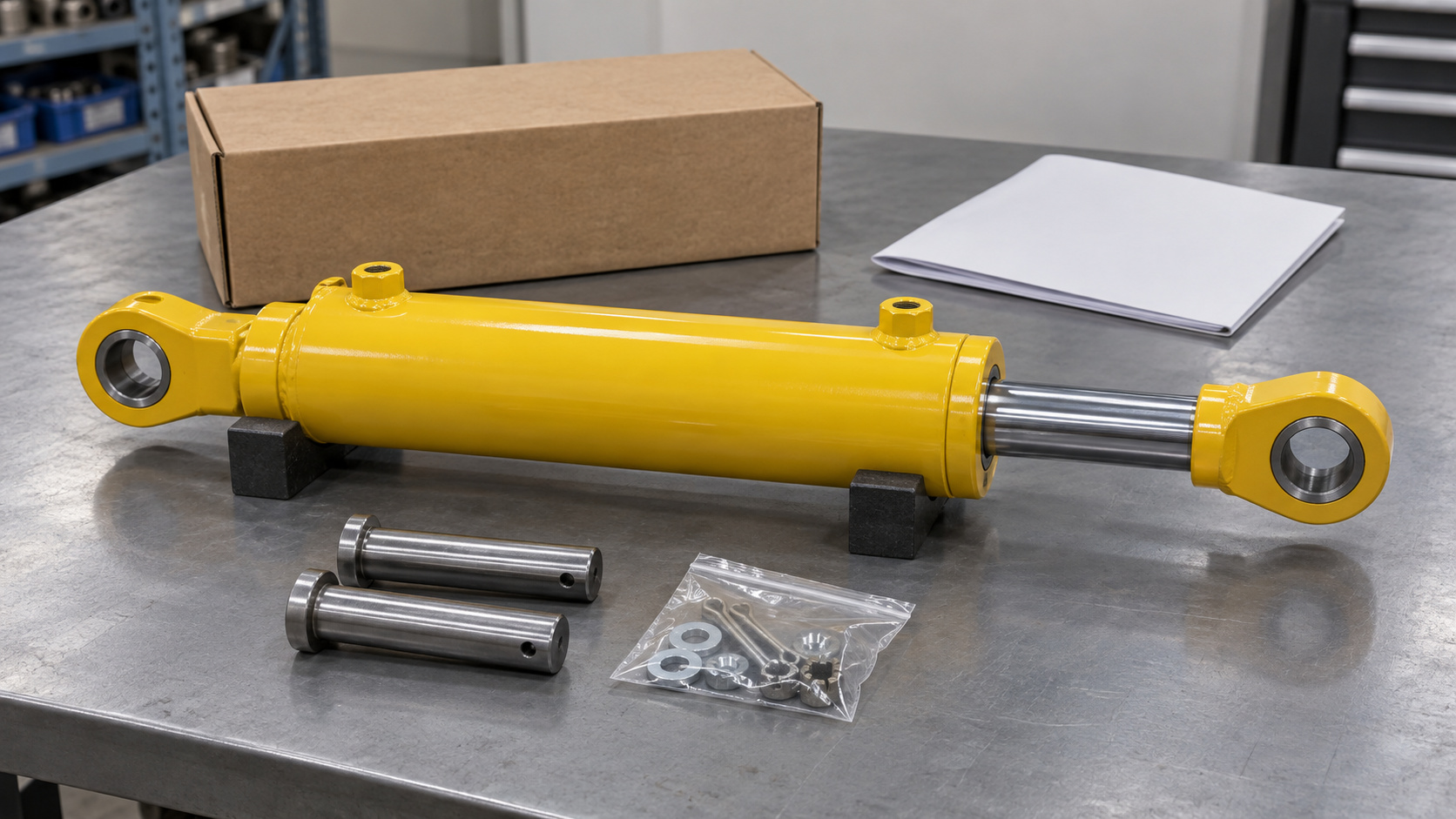
Which loader does this request belong to? A picture can begin the conversation, but I would want the answer written beside the part request before asking suppliers for a firm offer. On the enquiry sheet, there would be room for the owner's fleet nickname as well as the manufacturer's identification, each under its own heading. Otherwise, a label used in the buyer's yard can quietly become the equipment reference in a quotation.
For the identification page, I would request a legible record of the machine plate, the model as shown and the serial number as shown, preserving letters and separators. A second plate photograph needs an explanation. It might identify the component being requested; I would ask the sender to name that component in the caption and keep the whole-machine record alongside it. An engine plate is not automatically a record of the whole loader. Unclear characters would remain questions for the owner or responsible service specialist, rather than being filled in from a similar machine's listing.
Caterpillar's parts-store FAQ describes searches by both model and serial number, with serial-number filtering tied to the equipment as it left the factory. That is a useful limit to keep in mind. A catalogue match does not explain a later change made to the machine. I would ask the buyer whether the relevant assembly had been replaced or modified and pass that information to the supplier for review. Where the history is unknown, the enquiry would say so.
The requested part would have its own line beneath that identification page. Beside a legible number, I would add a short note about its source. Was it copied from the old part, or selected from a catalogue? For the catalogue entry, I would attach the illustration with the requested item marked, leaving the surrounding references visible. If responsible personnel could safely provide photographs of a removed component, I would ask for the whole item as well as its markings. They would supplement the reference documents. Two photographed components can look alike while the part references differ. I would leave the compatibility field unanswered until the technical reviewer had the drawings and selection information needed for a decision.
With a cylinder enquiry, the word assembly would send me back to the packing scope. Are the pins included in this price? Is the mounting hardware shown in the photograph supplied, or was it there just to present the product? I would put each answer against the relevant quotation line. The list could then name the items to be obtained by the buyer. Acceptance of that list covers the purchase contents; the cylinder selection still needs a competent reviewer to assess its pressure rating, interfaces and suitability for this machine.
I would keep an offered replacement number next to the originally requested number in the comparison sheet. Any substitution would come back with the supplier's supporting information and the responsible reviewer's decision. I would mark a line awaiting that decision as on hold, with the unanswered question beside it. Once accepted, its description and reference would be carried into the order and packing records. At receipt, a clerk could compare the delivered number with the accepted line and refer a discrepancy back to purchasing. Approval of a substitute would already be documented there.
Share the product, specifications, quantity and destination to discuss sourcing options.